
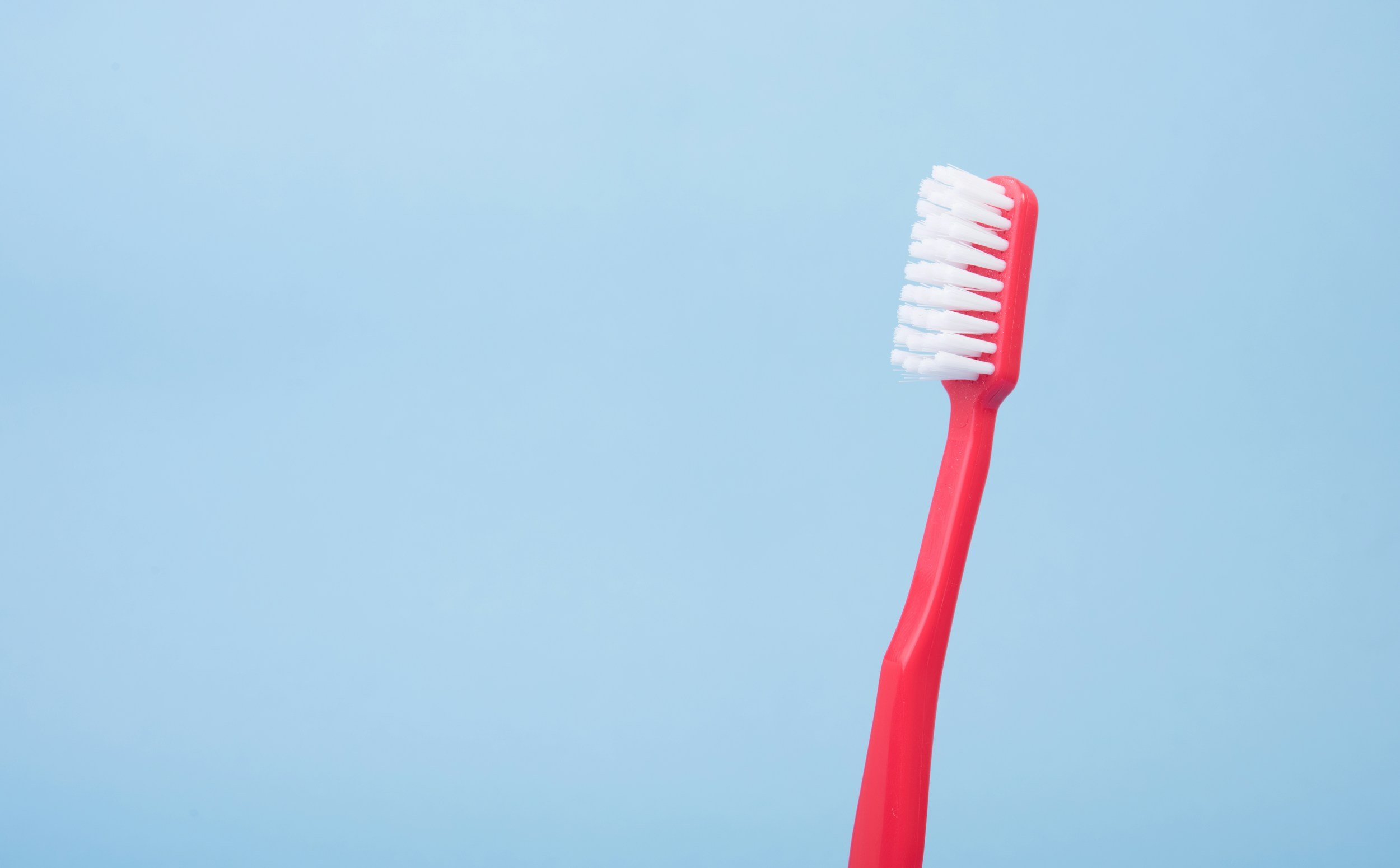
Can DNA Be Tested From a Toothbrush?
Did you know a toothbrush can sometimes be used for DNA testing? Saliva left on the bristles may contain enough DNA for analysis. Learn how toothbrush DNA testing works and what factors influence whether testing is successful.
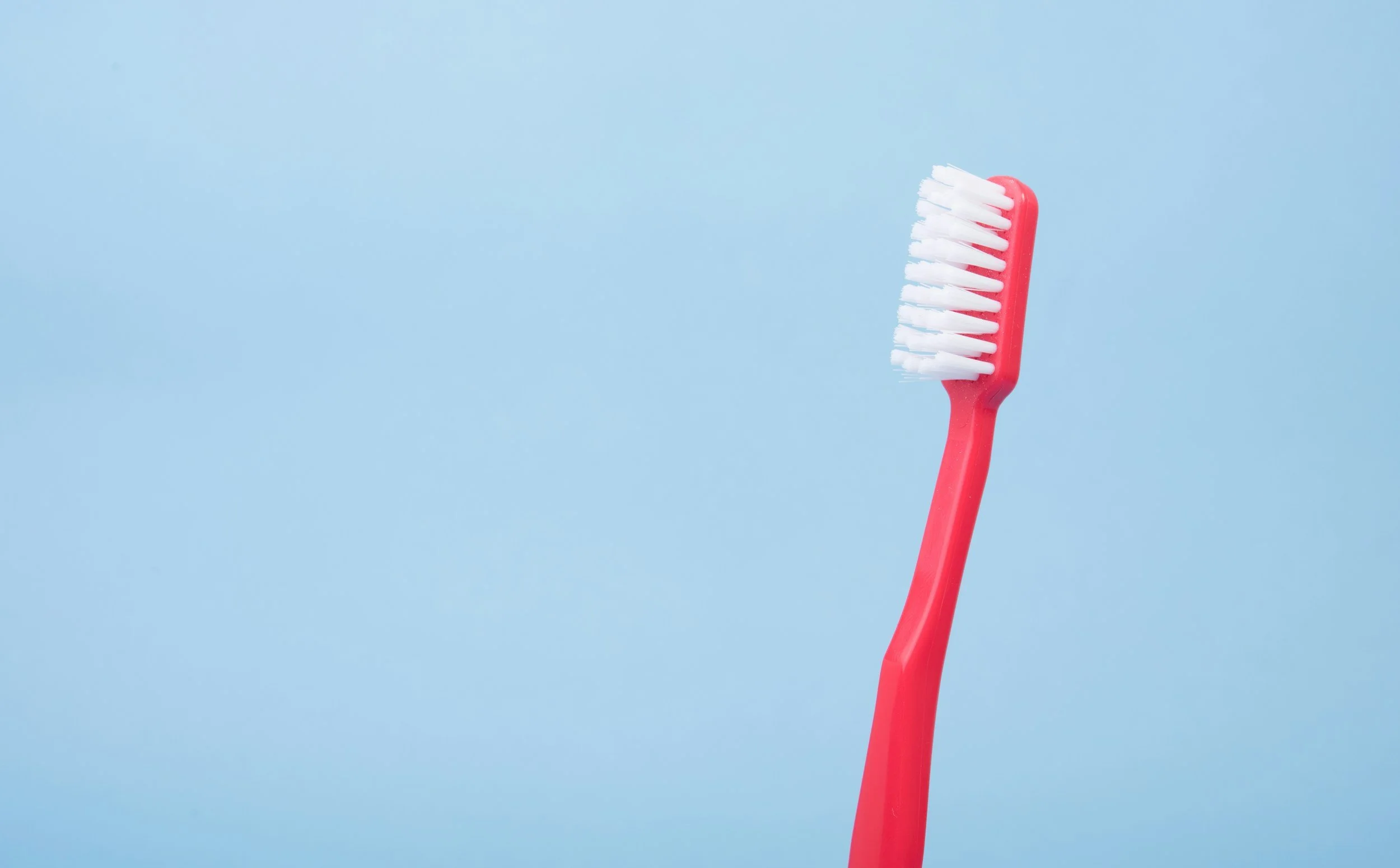
Quick Answer: Can DNA Be Tested From a Toothbrush?
Yes, a toothbrush can sometimes be used for DNA testing because it may contain saliva and skin cells left behind during brushing. These biological materials can contain DNA that laboratories may attempt to extract and analyze. The success of testing depends on how recently the toothbrush was used and how it has been stored.
Why Toothbrushes Can Contain DNA
Toothbrushes often contain biological material because they come into direct contact with the mouth during daily use.
When someone brushes their teeth, small amounts of biological material may remain on the toothbrush, including:
Saliva
Skin cells from the mouth
Microscopic traces of biological fluids
These materials can contain DNA that laboratories may attempt to analyze.
Because of this, toothbrushes are one of the most commonly submitted non-standard DNA samples.
To learn more about non-standard DNA samples, see What Items Can be Used For DNA Testing?.
When Toothbrush DNA Testing Is Used
Testing a toothbrush may be considered when a direct cheek swab from an individual is not available.
Situations where toothbrush testing may be used include:
Relationship DNA testing
Infidelity DNA testing
Investigating biological evidence on personal items
Situations where a person cannot provide a direct sample
While toothbrushes can provide usable DNA, they are still considered non-standard samples, which means testing success can vary.
Factors That Affect Testing Success
Several factors influence whether DNA can be successfully recovered from a toothbrush.
How Recently the Toothbrush Was Used
Toothbrushes used recently are more likely to contain viable DNA.
Storage Conditions
Exposure to heat, moisture, or environmental contamination may degrade DNA over time.
Shared Toothbrushes
If more than one person used the toothbrush, the item may contain multiple DNA contributors.
Learn how laboratories interpret these results in our blog here; Multiple DNA Profiles Found.
Cleaning or Rinsing
Repeated rinsing or cleaning may reduce the amount of biological material present.
What Happens During Toothbrush DNA Testing
When a toothbrush is submitted for testing, the laboratory typically performs several steps:
The toothbrush is examined for areas that may contain biological material
Samples are collected from the bristles or handle
DNA extraction is performed
If sufficient DNA is present, a DNA profile may be generated
If a DNA profile is obtained, it may be compared with a reference sample.
Comparison testing can help determine whether a specific individual may be a contributor to the DNA detected.
You can learn more about DNA comparison testing here, Can DNA Prove Cheating.
Limitations of Toothbrush DNA Testing
Because toothbrushes are non-standard samples, successful DNA extraction cannot always be guaranteed.
DNA may degrade due to:
Time
Environmental exposure
Cleaning or rinsing
Limited biological material
Despite these limitations, toothbrushes often contain enough biological material for laboratories to attempt DNA analysis.
Other Common Non-Standard DNA Samples
In addition to toothbrushes, other personal items may sometimes be used for DNA testing, including:
Cigarette butts
Chewing gum
Fingernail clippings
Razors
Drinking straws
Clothing
Each item may contain biological material depending on how it was used.
Frequently Asked Questions
Can a toothbrush provide enough DNA for testing?
In many cases, yes. Saliva left on the bristles may contain enough DNA for analysis if the toothbrush was used recently.
Can multiple people’s DNA appear on a toothbrush?
Usually there is only one profile, however, if f more than one person used the toothbrush or handled it, the item may contain DNA from multiple contributors.
Does washing a toothbrush remove DNA?
Rinsing may reduce biological material, but traces of DNA may sometimes remain on the bristles or handle.
Are toothbrush DNA samples guaranteed to work?
No. Because toothbrushes are non-standard samples, successful DNA extraction depends on the amount and quality of biological material present.
Using DNA Evidence to Find Answers
Toothbrushes can sometimes provide a useful source of DNA when direct samples are not available. Because they often contain saliva and skin cells, laboratories may be able to extract DNA and generate a profile for comparison testing.
Understanding how toothbrush DNA testing works helps individuals determine whether this type of sample may be suitable for their situation.

DNA Testing Without the Father: What Are Your Options?
Figuring out paternity without the father is possible with alternative DNA tests. Grandparent, sibling, avuncular, and forensic DNA testing can provide reliable answers when direct testing isn't an option. Learn about how these tests work, their accuracy, and the best way to move forward with DNA testing.

DNA Testing without a parent
One of the most common questions people ask is:
"Can I do a DNA test if the father isn't available?"
The answer is often yes.
While a direct paternity DNA test is usually the most accurate way to establish a biological relationship, several alternative testing options may provide valuable answers when the alleged father is unavailable, unwilling to participate, deceased, or cannot be located.
Depending on your situation, grandparent, sibling, avuncular, Y-STR, or forensic DNA testing may help determine whether a biological relationship exists.
Quick Answer: Can You Do a DNA Test Without the Father?
Yes.
When the alleged father cannot participate, laboratories may use DNA from other relatives or personal items belonging to the alleged father.
Common alternatives include:
The best option depends on which relatives or samples are available.
In This Article
Why a paternity test may not be possible
Alternative DNA testing options
Which test is best for your situation
Forensic DNA testing
Accuracy and limitations
Frequently asked questions
Why Might the Father Be Unavailable?
There are many situations where a direct paternity test cannot be performed.
Examples include:
The alleged father is deceased
The alleged father is missing
The alleged father refuses testing
Contact with the alleged father has been lost
Legal or logistical barriers prevent participation
Fortunately, DNA relationships can often be evaluated using other family members.

Home Grandparent DNA testing kit includes:
Easy to follow instructions
2 sterile buccal collection swabs per person
Sample envelopes for each person involved
Consent form
Prepaid return label to our laboratory. (USA Only)
Please note we always suggest including a known parent in testing
Select testing options below:
Option 1: Grandparent DNA Testing
Grandparent DNA testing compares the child's DNA to one or both paternal grandparents.
Because grandparents pass DNA to their children and grandchildren, the test can often help establish whether a biological relationship exists.
Best For
Father unavailable
Paternal grandparents available
Deceased father cases
Accuracy
Testing both grandparents generally provides the strongest results.
Including the mother's DNA can further improve accuracy.
Learn More

Home Sibling DNA testing kit includes:
Easy to follow instructions,
2 sterile buccal collection swabs per person,
Sample envelopes for each person involved,
Consent form (must be filled out and signed in full),
Prepaid return label to our laboratory. (USA only)
Please note we always suggest including a known parent in testing
Select testing options below:
Option 2: Sibling DNA Testing
Sibling DNA testing compares the child's DNA to a known child of the alleged father.
This may help determine whether the tested individuals share a biological father.
Best For
Existing child of the alleged father is available
Questions involving half-sibling relationships
Accuracy
Additional family members can improve statistical confidence.
Learn More

Home Aunt/Uncle DNA testing kit includes:
Easy to follow instructions
2 sterile buccal collection swabs per person
Sample envelopes for each person involved
* Please note if multiple Aunts/Uncles are to be included in testing they must be from the same side of the family.
Consent form
Prepaid return label to our laboratory. (USA Only)
Please note we always suggest including a known parent in testing
Select from the options below:
Option 3: Avuncular DNA Testing (Aunt or Uncle Testing)
An avuncular DNA test evaluates whether a child is biologically related to a sibling of the alleged father.
Best For
Father unavailable
Aunt or uncle available for testing
Grandparents unavailable
Accuracy
Results are based on statistical analysis and may be strengthened by including additional relatives.
Learn More

Home Paternal Lineage (Y-STR) DNA Test includes:
Easy to follow instructions,
2 sterile buccal collection swabs per person,
Sample envelopes for each person involved,
Consent form (must be filled out and signed in full),
Prepaid return label to our laboratory.
Option 4: Y-STR DNA Testing
Y-STR testing evaluates the Y chromosome, which is passed from father to son through the paternal line.
Because the Y chromosome changes very little between generations, this test can help evaluate paternal lineage relationships.
Best For
Two males in the same paternal line
Father unavailable
Questions involving paternal relatives
Limitations
Y-STR testing cannot distinguish between close male relatives within the same paternal line.
For example:
brothers
father and son
uncle and nephew
may have very similar Y-STR profiles.
Option 5: Forensic DNA Testing
When relatives are unavailable, personal items belonging to the alleged father may sometimes be tested.
Examples include:
toothbrushes
razors
hair with roots
blood stains
personal clothing
Best For
Deceased individuals
Missing individuals
Cases where personal items are available
Important Note
Forensic testing uses non-standard samples and DNA recovery cannot be guaranteed.
Success depends on:
sample quality
storage conditions
DNA quantity
Learn more:
DNA Samples
Which DNA Test Is Best for Your Situation?
Paternal Grandparents Available?
Grandparent DNA Testing is often the strongest alternative.
Existing Child of the Alleged Father Available?
Sibling DNA Testing may be appropriate.
Aunt or Uncle Available?
Avuncular DNA Testing may provide useful answers.
Male Relative in the Same Paternal Line Available?
Y-STR Testing may help evaluate paternal lineage.
Personal Items Available?
Forensic DNA Testing may be an option.
How Accurate Are Alternative Relationship Tests?
Alternative relationship tests can be highly informative, but they generally rely on statistical analysis rather than direct parent-child comparisons.
The strongest results are typically obtained when:
multiple relatives participate
both grandparents are tested
the mother's DNA is included when possible
More participants generally improve accuracy.
Frequently Asked Questions
Can You Prove Paternity Without the Father?
In many cases, yes.
Alternative DNA tests can often provide strong evidence regarding biological relationships.
What Is the Most Accurate Alternative to a Paternity Test?
Testing both paternal grandparents is often considered one of the strongest alternatives when the father is unavailable.
Can You Use a Deceased Father's DNA?
Sometimes.
Personal items containing biological material may be suitable for forensic DNA testing.
Is Y-STR Testing the Same as a Paternity Test?
No.
Y-STR testing evaluates paternal lineage but does not directly establish paternity.
What If No Relatives Are Available?
Forensic DNA testing may be possible if personal items belonging to the alleged father are available.
Understanding Your Options When the Father Is Unavailable
While direct paternity testing remains the most straightforward way to establish a biological relationship, it is not the only option. Grandparent, sibling, avuncular, Y-STR, and forensic DNA testing can often provide valuable answers when the alleged father cannot participate.
Understanding which relatives and sample types are available is the first step toward choosing the most appropriate testing solution.
Related Services



Related Articles
Sibling DNA Testing. How it Works and What to Expect
https://validitygenetics.com/news/sibling-dna-testing-how-it-works-and-what-to-expect
Relationship DNA Testing Explained
https://validitygenetics.com/news/relationship-dna-testing-explained
DNA Samples (forensic and infidelity)
https://validitygenetics.com/news/dna-samples
How Much DNA do You Share with Your Relatives
https://validitygenetics.com/news/how-much-dna-do-you-share-with-your-relatives
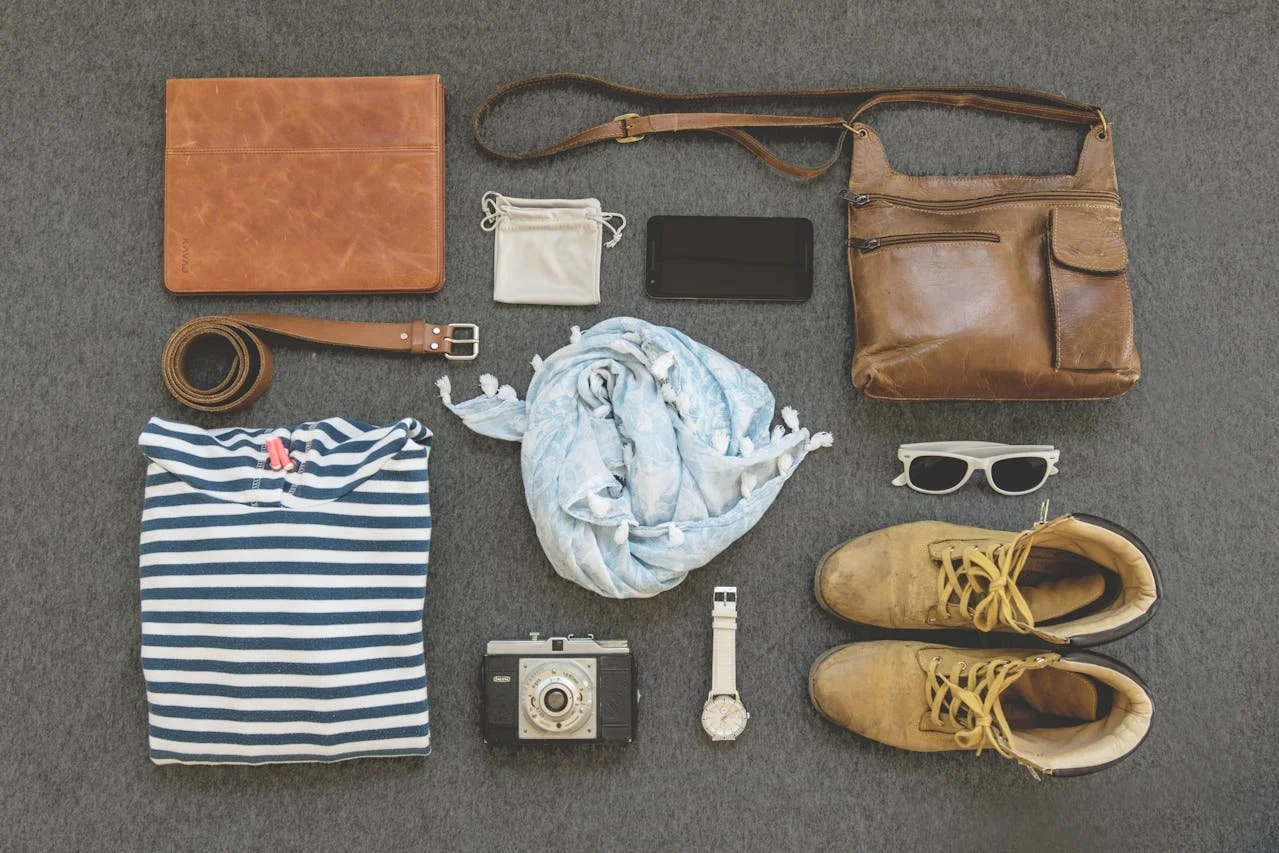
Can You Use Discreet DNA Samples for Relationship Testing?
Can you use hair, toothbrushes, or personal items for a paternity or sibling DNA test? Learn about discreet DNA samples, how they compare to standard cheek swabs, and the best practices for forensic DNA testing. Get accurate and confidential results with Validity Genetics. Find out more today!

Discreet or non-standard samples.
When standard DNA collection isn't possible, many people wonder whether a personal item can be used instead.
The answer is often yes.
Hair, toothbrushes, nail clippings, cigarette butts, tissues, and other personal items may contain enough biological material to develop a DNA profile for relationship testing.
However, non-standard DNA samples come with additional challenges that can affect testing success.
This guide explains what discreet DNA samples are, which items may be suitable for testing, and how to maximize the chances of obtaining usable DNA.
Quick Answer: Can Personal Items Be Used for DNA Testing?
Yes.
Many personal items may contain DNA that can be used for relationship testing.
Examples include:
Hair with roots
Toothbrushes
Cigarette butts
Nail clippings
Used tissues
Ear swabs (Q-tips)
Blood stains
Clothing containing biological material
The success of testing depends on the quality, quantity, and condition of the DNA present in the sample.
In This Article
What discreet DNA samples are
Common items used for DNA testing
Accuracy and limitations
Sample collection tips
Best practices for storage
Frequently asked questions
What Are Discreet DNA Samples?
A discreet DNA sample is any non-standard biological sample used in place of a traditional cheek swab.
These samples are often used when the individual being tested is:
unavailable
unwilling to participate
deceased
unable to provide a sample
Because these items are not collected directly from the individual, they typically require forensic DNA extraction before testing can begin.
Common Discreet DNA Samples
Hair with Root
Hair can be a useful DNA source when the root remains attached.
Generally:
6-8 hairs are recommended
freshly removed hairs provide the best results
cut hair is usually not suitable
The DNA needed for most relationship tests is located in the hair root.
Toothbrushes
Toothbrushes are among the most commonly submitted forensic DNA samples.
Because they collect saliva and oral cells through repeated use, they often provide a good opportunity for DNA recovery.
Cigarette Butts
Used cigarette filters frequently contain saliva and may provide a suitable DNA source.
Nail Clippings
Nail clippings can sometimes be used for DNA testing but generally have lower success rates than toothbrushes or saliva-based samples.
Providing multiple clippings may improve the chances of success.
Ear Swabs (Q-Tips)
Used ear swabs may contain skin cells and biological material that can sometimes be analyzed.
Used Tissues
Tissues containing saliva, mucus, or blood may provide DNA suitable for testing.
Blood Stains
Dried blood stains often provide one of the strongest forensic DNA sources when properly preserved.
Clothing
Clothing may contain biological material such as:
saliva
blood
semen
skin cells
The likelihood of successful DNA recovery depends on the amount of biological material present and how the item has been stored.

Forensic samples for relationship DNA testing
Please note Forensic Samples do not include: Teeth, Bones, Bone Marrow, Organs or Muscle Tissue, Feces, Paraffin Embedded Tissue, or FFPE, and children’s disposable diapers. While it may be possible to test these items they will have a higher cost to test and may have special requirements for shipping to our lab. Please reach out to us if you wish to test any of the samples on this list.
Can Discreet Samples Be Used for Relationship Testing?
Yes. Discreet DNA samples may be used for:
DNA Profile Testing
When enough uncontaminated DNA is recovered, the resulting relationship analysis can be as accurate as testing performed using standard cheek swabs.
What Are the Risks of Using Discreet Samples?
Unlike cheek swabs, forensic DNA samples do not guarantee successful DNA recovery.
Potential challenges include:
degraded DNA
contamination
insufficient biological material
multiple DNA contributors
Because of these factors, some samples may not produce a usable DNA profile.
Learn more:
What Happens if No DNA is Found?
Are Discreet DNA Tests as Accurate as Cheek Swab Tests?
If a sufficient quantity of uncontaminated DNA is recovered, the relationship analysis itself can be just as accurate as testing performed using buccal swabs.
The primary difference is not the DNA analysis.
The difference is the increased risk that the sample may not contain enough usable DNA to begin testing.
Best Practices for Collecting Discreet DNA Samples
To improve the chances of success:
Choose Samples With Direct Contact
Items that were used directly by the individual generally provide the best chance of DNA recovery.
Allow Damp Items to Dry
If a sample is damp, allow it to air dry before packaging.
Use Paper Packaging
Paper envelopes help prevent moisture buildup and reduce the risk of degradation.
Minimize Handling
Avoid touching the area likely to contain biological material.
Submit Multiple Items
Providing more than one sample may improve the chances of successful DNA recovery.
When Should You Consider Discreet DNA Testing?
Discreet DNA testing may be appropriate when:
the individual is unavailable
the individual is unwilling to participate
the individual is deceased
a standard cheek swab cannot be obtained
It may also be useful when a person wants private, non-legal relationship testing.
Important Legal Considerations
Discreet DNA testing is generally intended for informational or peace-of-mind purposes.
If court-admissible results are required, a legal DNA test with a documented chain of custody is typically necessary.
Frequently Asked Questions
Can a Toothbrush Be Used for DNA Testing?
Yes. Toothbrushes are among the most commonly submitted forensic DNA samples.
Can Hair Be Used for DNA Testing?
Yes, but the hair must generally contain an intact root.
Can You Use a Cigarette Butt for DNA Testing?
In many cases, yes.
The filter may contain saliva suitable for DNA extraction.
What Is the Best Discreet DNA Sample?
A consistently used toothbrush is often one of the strongest non-standard sample types.
What Happens If No DNA Is Found?
If insufficient DNA is recovered, the laboratory may be unable to create a usable DNA profile.
Choosing the Right Sample for DNA Testing
While cheek swabs remain the preferred collection method, discreet DNA samples can provide valuable alternatives when direct testing is not possible. Understanding which samples are most likely to contain usable DNA and how to properly collect and preserve them can significantly improve the chances of successful testing.
Whether you're pursuing paternity testing, sibling testing, grandparent testing, or another relationship DNA test, selecting the best available sample is one of the most important steps in the process.
Related Services
Related Articles
DNA Samples for Testing
https://validitygenetics.com/news/dna-samples
How Long do DNA Samples Last?
https://validitygenetics.com/news/how-long-do-dna-samples-last
DNA Testing Without the Father
https://validitygenetics.com/news/dna-testing-without-the-father
What Happens if no DNA is Found
https://validitygenetics.com/news/what-happens-if-no-dna-is-found

Sibling DNA Testing: How It Works and What to Expect
A sibling DNA test determines whether two people share one or both parents. Learn how full vs. half-sibling tests work, what results mean, and how to improve accuracy. Find out why people take sibling DNA tests for legal, immigration, or personal reasons, and get answers in 2-3 business days with fast, reliable testing.
Sibling DNA Testing: How it Works
Sibling DNA Testing: Proof of Relation
When siblings want to confirm a biological relationship, sibling DNA testing provides a scientific way to evaluate whether two individuals share one or both parents.
Unlike paternity testing, which can provide a direct inclusion or exclusion, sibling DNA testing uses statistical analysis to determine the likelihood that two individuals are biologically related.
Whether you're seeking answers for personal reasons, legal matters, immigration cases, or family history research, understanding how sibling DNA testing works can help you determine whether it is the right test for your situation.
Quick Answer: How Does a Sibling DNA Test Work?
Sibling DNA testing compares the genetic markers of two individuals to determine how likely it is that they share biological parents.
The test examines DNA inherited from each parent and calculates statistical values that help determine whether the individuals are:
Full siblings
Half siblings
Unrelated
The results are reported as a Likelihood Ratio and Probability of Relationship rather than a simple yes-or-no answer.
In This Article
Why people take sibling DNA tests
Full siblings vs half siblings
How sibling DNA testing works
Understanding sibling DNA test results
Likelihood Ratios and Probability Percentages
Accuracy and limitations
Common misconceptions
Why Get a Sibling DNA Test?
People pursue sibling DNA testing for many reasons.
Home Sibling DNA testing kit includes:
Easy to follow instructions,
2 sterile buccal collection swabs per person,
Sample envelopes for each person involved,
Consent form (must be filled out and signed in full),
Prepaid return label to our laboratory. (USA only)
Please note we always suggest including a known parent in testing
Select testing options below:
Confirming Full or Half-Sibling Relationships
When paternity or maternity is uncertain, sibling testing can help determine whether two individuals share one or both biological parents.
Legal and Inheritance Matters
Sibling DNA testing may sometimes be used when questions arise regarding inheritance or estate claims.
Immigration Cases
Certain immigration cases may require proof of a biological relationship when documentation is unavailable or incomplete.
Personal Knowledge
Many individuals simply want answers about family connections and biological relationships.
How Sibling DNA Testing Works
A sibling DNA test compares genetic markers shared between two individuals.
Because siblings inherit different combinations of DNA from their parents, the test examines multiple DNA locations to evaluate the strength of the biological relationship.
The laboratory compares these markers and calculates statistical values that estimate the likelihood that the tested individuals are related.
Full Siblings
Full siblings share both biological parents.
Because of this, they generally share more DNA than half siblings.
On average, full siblings share approximately 50% of their DNA.
Half Siblings
Half siblings share one biological parent.
Because they inherit DNA from only one shared parent, they typically share less DNA than full siblings.
On average, half siblings share approximately 25% of their DNA.
Unrelated Individuals
Unrelated individuals typically share significantly fewer genetic markers than siblings.
Can a Parent Be Included in the Test?
Yes.
We highly recommend including a known parent in a sibling test. This significantly improves the accuracy of sibling DNA testing.
This is sometimes referred to as an Enhanced Sibling DNA Test.
By accounting for DNA inherited from a known parent, the laboratory can more accurately evaluate the remaining genetic material.
Understanding Sibling DNA Test Results
Unlike paternity tests, sibling DNA tests do not usually produce a simple inclusion or exclusion.
Instead, laboratories calculate statistical values that indicate how strongly the DNA evidence supports a biological relationship.
Likelihood Ratio
The Likelihood Ratio compares the genetic profiles of the tested individuals to determine how likely it is that they are biologically related.
Results are generally interpreted as follows:
Less than 1.00 = suggests the individuals are not related
Greater than 1.00 = suggests the individuals may be related
Higher values indicate stronger support for a biological relationship.
For example:
A Likelihood Ratio of 3.84 suggests the individuals may be related, but the result is not considered definitive.
Probability Percentage
The Probability Percentage measures how likely it is that the tested individuals are biologically related based on the DNA evidence.
According to AABB standards:
99% or greater = considered scientifically conclusive
Greater than 90.9% = considered conclusive
10% to 90.8% = considered inconclusive
Less than 10% = generally supports no biological relationship
For example:
A Probability of 79% suggests the individuals may be related, but the evidence is not strong enough to reach a conclusive determination.
How Accurate Is a Sibling DNA Test?
Sibling DNA testing can be highly informative, particularly when additional family members participate.
Factors that improve accuracy include:
testing additional siblings
including a known parent
including grandparents, aunts, or uncles
The more family information available, the stronger the statistical analysis becomes.
Common Misconceptions About Sibling DNA Testing
All Siblings Share the Same Amount of DNA
False.
Every child inherits a unique combination of DNA from their parents.
As a result, full siblings may share different amounts of DNA.
Sibling DNA Testing Is Exactly Like a Paternity Test
Not true.
Paternity testing evaluates a direct parent-child relationship, while sibling testing relies on statistical comparisons.
Half Siblings and First Cousins Share the Same Amount of DNA
Generally false.
Half siblings typically share approximately 25% of their DNA, while first cousins average about 12.5%.
What If Results Are Inconclusive?
In some situations, sibling DNA test results may fall into an inconclusive range.
When this occurs, additional testing may help improve the strength of the results.
Examples include:
testing a known parent
testing additional siblings
testing grandparents
performing avuncular testing
Learn more: Relationship DNA Testing Explained
How to Get a Sibling DNA Test
Order a test kit.
Collect cheek swab samples.
Return the samples to the laboratory.
Receive your results.
Most standard sibling DNA test results are available within 2-3 business days after the laboratory receives the samples.
Forensic samples may require additional processing time.
Understanding Your Sibling DNA Results
Sibling DNA testing provides valuable insight into biological relationships when direct parent testing is unavailable. By analyzing shared genetic markers and applying statistical calculations, laboratories can determine how strongly the DNA evidence supports a sibling relationship.
Understanding how the test works and how the results are interpreted can help you make informed decisions about your family questions and testing needs.
Related Services


Related Articles
Half Sibling vs Full Sibling DNA Testing. What is the Difference?
https://validitygenetics.com/news/half-sibling-vs-full-sibling-dna-testing-whats-the-difference
Sibling DNA Test vs Paternity Test. What is the Difference?
https://validitygenetics.com/news/sibling-dna-test-vs-paternity-test-whats-the-difference
How Much DNA do you Share With Your Relatives?
https://validitygenetics.com/news/how-much-dna-do-you-share-with-your-relatives
Relationship DNA Testing Explained
https://validitygenetics.com/news/relationship-dna-testing-explained
Cited References:
American Association of Blood Banks (AABB)
https://www.aabb.orgNational Human Genome Research Institute. DNA and Genetic Testing
https://www.genome.govInternational Society for Forensic Genetics (ISFG)
https://www.isfg.org
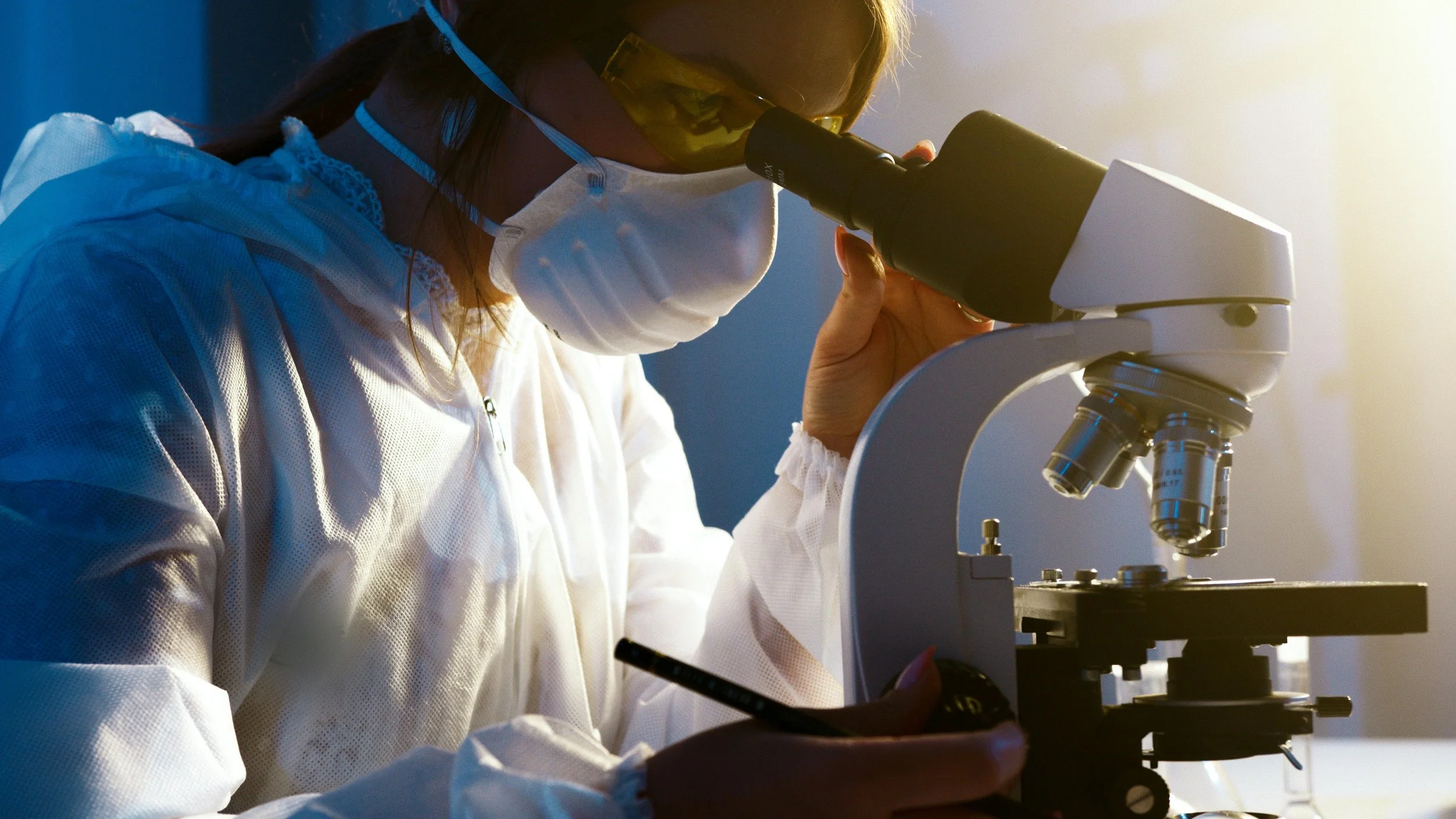
How Long Do DNA samples Last?
How long does DNA last? Learn how long different DNA samples remain viable, what causes DNA degradation, and how to properly store DNA evidence for testing. DNA longevity affects paternity, sibling, grandparent, and infidelity DNA testing. Learn how long DNA lasts in buccal swabs, forensic samples, and infidelity samples, and how storage conditions impact accuracy. Discover the best ways to preserve DNA for testing and what factors cause degradation. Get expert insights on ensuring reliable DNA test results for any type of sample.

How long do DNA samples last?
How Long Do DNA Samples Last?
DNA testing relies on the integrity of genetic material to provide accurate results. Whether you are considering relationship DNA testing, forensic relationship testing, or infidelity DNA testing, understanding how long DNA remains viable can help maximize the chances of successful testing.
The lifespan of DNA depends on several factors, including the type of sample, storage conditions, and exposure to environmental elements. Some DNA samples remain suitable for testing for months or years, while others may degrade much more quickly.
Quick Answer: How Long Does DNA Last?
DNA can remain detectable for days, months, years, or even centuries depending on the sample type and how it is stored.
Examples include:
Buccal (cheek) swabs: up to 6 months at room temperature and often longer when refrigerated
Dried blood stains: several years when properly stored
Hair with roots: years
Toothbrushes: months to years
Bone and teeth: decades or longer
Semen and saliva stains: weeks to months depending on storage conditions
Heat, moisture, sunlight, and bacterial growth are among the most common causes of DNA degradation.
In This Article
How long DNA lasts in cheek swabs
How long DNA lasts in blood, hair, and other samples
How long DNA lasts on clothing
What causes DNA degradation
Best ways to preserve DNA evidence
When a sample may no longer be suitable for testing
DNA Longevity in Oral Swabs for Relationship Testing
For standard relationship DNA testing, such as paternity, sibling, grandparent, and avuncular DNA tests, buccal (cheek) swabs are the preferred sample type.
Buccal cells contain high-quality DNA that is easy to extract and analyze.
How Long Does DNA Last in Buccal Swabs?
When stored properly:
DNA from buccal swabs can remain viable for up to 6 months at room temperature
Refrigeration may help preserve DNA for over a year
Improper storage can lead to degradation within days or weeks
Factors that can damage DNA include:
moisture
excessive heat
direct sunlight
bacterial growth
Because buccal swabs provide a clean and reliable DNA source, they remain the preferred collection method for relationship testing.
Best Practices for Preserving Buccal Swab DNA
To maximize DNA quality:
Allow swabs to air dry completely before packaging
Store swabs in paper envelopes rather than plastic bags
Keep samples in a cool, dry environment
Avoid direct sunlight and humidity
Do not eat, drink, smoke, or chew gum for at least 30 minutes before collection
Proper collection and storage can significantly improve testing success.
DNA Stability in Special or Non-Standard Samples
When buccal swabs are unavailable, forensic or non-standard samples may be used for DNA testing.
These sample types vary significantly in DNA longevity.
Hair with Root
Hair follicles containing roots may preserve DNA for years if properly stored.
Hair shafts without roots often contain little or no usable nuclear DNA.
Blood Stains
Dried blood stains may preserve DNA for several years when stored in cool, dry conditions.
Toothbrushes
Toothbrushes frequently contain saliva and oral epithelial cells.
DNA may remain recoverable for months or even years depending on storage conditions and usage.
Bone and Teeth
In well-preserved conditions, DNA recovered from bones and teeth can remain viable for decades or even centuries.
What Causes DNA to Break Down?
DNA naturally degrades over time.
Several environmental factors can accelerate this process.
Heat
High temperatures speed up DNA degradation.
Samples stored in hot environments generally deteriorate more quickly.
Moisture
Moisture promotes bacterial and mold growth that can damage biological material and reduce DNA quality.
Sunlight
Ultraviolet (UV) radiation from sunlight can break down DNA molecules over time.
Excessive Handling
Repeated handling increases the risk of contamination and may reduce the amount of usable biological material.
Because of these factors, proper storage is often just as important as the sample itself.
Best Practices for Storing Special Samples
When collecting and storing non-standard DNA samples, these guidelines can help preserve DNA integrity.
Air Dry Samples
Ensure samples such as clothing, tissues, and blood stains are completely dry before storage.
Store in a Cool, Dry Location
Keep samples away from:
heat
humidity
direct sunlight
Use Paper Envelopes
Paper packaging helps prevent moisture buildup.
Plastic bags may trap moisture and encourage bacterial growth.
Do Not Wash Samples
Washing can remove or damage biological material and reduce the likelihood of successful DNA recovery.
Minimize Handling
The less a sample is handled, the lower the risk of contamination.
DNA Degradation in Infidelity Testing Samples
Infidelity DNA testing often involves biological evidence collected from personal items.
Examples include:
clothing
bedding
tissues
undergarments
The longevity of DNA depends heavily on how the evidence is stored.
Semen and Saliva on Fabric
DNA may remain detectable for weeks or months when biological material is dried and properly preserved.
Used Tissues and Wipes
DNA may degrade within days or weeks, particularly when exposed to heat or humidity.
Clothing and Undergarments
Dried biological stains may retain DNA for months.
However, washing and environmental exposure can significantly reduce DNA recovery.
Learn more here: How DNA Gets on Clothing
How Long Does DNA Last on Clothing?
One of the most common questions people ask is whether DNA can still be recovered from clothing after days, weeks, or even months.
The answer depends on several factors, including:
the type of biological material present
the fabric involved
storage conditions
environmental exposure
whether the item has been washed
DNA found in biological materials such as saliva, semen, blood, or skin cells may remain detectable on clothing for extended periods when the item is stored properly.
For example:
Dried blood stains may preserve DNA for months or even years.
Saliva and semen stains may remain suitable for testing for weeks or months if protected from moisture and excessive heat.
Touch DNA from skin cells is often more vulnerable to degradation because smaller amounts of DNA are typically present.
Environmental conditions play a significant role in DNA preservation. Heat, humidity, direct sunlight, bacteria, and mold can all contribute to DNA degradation over time.
Washing clothing may reduce or remove biological material, but it does not always eliminate every trace of DNA. The amount of DNA originally deposited, the type of fabric, and the washing method used can all affect whether DNA remains recoverable.
Because every item is unique, the only way to determine whether usable DNA remains on a piece of clothing is through laboratory testing and evaluation.
Learn more:
How DNA Gets on Clothing
How Long Can DNA Stay on Clothing?
Is My Sample Still Good for DNA Testing?
One of the most common questions laboratories receive is:
"Is my sample too old to test?"
The answer depends on:
the sample type
storage conditions
environmental exposure
Many samples remain suitable for testing much longer than people expect.
Even older items such as toothbrushes, dried stains, and hair with roots may still contain usable DNA if properly preserved.
The only way to know for certain is through laboratory evaluation.
What Happens If DNA Cannot Be Recovered?
Sometimes a sample contains insufficient DNA for analysis.
This may occur because:
the DNA has degraded
the biological material was limited
environmental exposure damaged the sample
Learn more here: What Happens if No DNA is Found?
Frequently Asked Questions About DNA Longevity
Can DNA Survive Washing?
Sometimes.
Washing may reduce biological material, but DNA may still be recoverable depending on the circumstances.
Can Old DNA Samples Still Be Tested?
In many cases, yes.
The success of testing depends on the sample type, age, and storage conditions.
Does Refrigeration Help Preserve DNA?
Yes.
Cool, dry storage conditions generally help slow DNA degradation.
Can Sunlight Damage DNA?
Yes.
Prolonged exposure to ultraviolet radiation can break down DNA over time.
What Is the Best Way to Store DNA Evidence?
Store samples:
dry
in paper envelopes
away from heat
away from moisture
away from direct sunlight
Protecting DNA Evidence for Successful Testing
DNA can remain viable for surprisingly long periods when properly preserved. Understanding how different sample types respond to environmental conditions can help maximize the chances of successful testing and meaningful results.
Whether submitting a cheek swab, toothbrush, clothing item, blood stain, or other biological evidence, proper collection and storage are among the most important factors in preserving DNA for analysis.
Related Services
Related Articles
How DNA Gets On Clothing
https://validitygenetics.com/news/how-dna-gets-on-clothing
What Happens if No DNA is Found
https://validitygenetics.com/news/what-happens-if-no-dna-is-found
How Saliva Detection Testing Works
https://validitygenetics.com/news/how-saliva-detection-testing-works
How Blood Detection Testing Works
https://validitygenetics.com/news/how-blood-detection-testing-works
How Long Can DNA Stay on Clothing?
https://validitygenetics.com/news/how-long-can-dna-stay-on-clothing
Cited References:
National Human Genome Research Institute. DNA and Genetic Testing
https://www.genome.govNational Institute of Justice. DNA Evidence Basics
https://nij.ojp.gov/topics/articles/dna-evidence-basicsAmerican Academy of Forensic Sciences (AAFS)
https://www.aafs.org

How Much DNA Do You Share with Your Relatives?
Ever wondered how DNA can reveal family connections like siblings, grandparents, or even distant cousins? Understanding shared DNA percentages offers surprising insights! Whether it’s a paternity test or exploring ties with an aunt or grandparent, we break down how shared DNA can uncover the real story behind each relationship, and why some results overlap more than you’d think.

How Much DNA Do You Share with Your Relatives?
DNA testing can reveal fascinating insights about family relationships by measuring how much genetic material two people share.
While shared DNA percentages can help estimate biological relationships, interpreting those percentages is not always straightforward. Many different relationships can share similar amounts of DNA, and some relationship ranges overlap considerably.
Understanding how shared DNA works can help you better interpret DNA test results and understand your family connections.
Quick Answer: How Much DNA Do Relatives Share?
The amount of DNA shared between relatives depends on how closely they are related.
On average:
Parent and child: 50%
Full siblings: 50%
Half siblings: 25%
Grandparent and grandchild: 25%
Aunt/Uncle and Niece/Nephew: 25%
First cousins: 12.5%
However, actual shared DNA amounts can vary because DNA inheritance is random.
In This Article
Average DNA shared between relatives
Why DNA percentages vary
Which relationships share similar amounts of DNA
Why some DNA relationships overlap
What shared DNA percentages can and cannot tell you
Average DNA Shared Between Relatives
The chart below illustrates the average percentage of DNA shared between common biological relationships.

Average DNA Percentage Shared With Relatives
Average Shared DNA Percentages
Relationship
Identical Twins
Parent / Child
Full Siblings
Half Siblings
Grandparent / Grandchild
Aunt / Uncle / Niece / Nephew
First Cousins
First Cousins Once Removed
Second Cousins
Third Cousins
Average DNA Shared
100%
50%
50%
25%
25%
25%
12.5%
6.25%
3.13%
0.78%
These values represent averages and may vary between individuals.
Why Shared DNA Percentages Vary
DNA inheritance is not perfectly predictable.
Each child receives:
approximately 50% of their DNA from their mother
approximately 50% from their father
However, the specific DNA segments inherited are random.
Because of this, two siblings may share more or less DNA than another pair of siblings.
This natural variation is one reason DNA testing relies on statistical analysis rather than simple percentages alone.
Why Different Relationships Can Share Similar DNA Percentages
One of the most common misconceptions about DNA testing is that every relationship has a unique DNA percentage.
In reality, many relationships share similar amounts of DNA.
For example, someone sharing approximately 25% of their DNA with you could potentially be:
a half sibling
a grandparent
a grandchild
an aunt
an uncle
a niece
a nephew
This overlap is why DNA testing often considers additional information beyond simple percentages.
Understanding Relationship Overlap
Let's consider a common example.
If two people share approximately 17% of their DNA, several possible relationships may fit that result.
Examples include:
Half siblings
Aunt and niece
Uncle and nephew
Grandparent and grandchild
First cousins
Without additional information, the DNA percentage alone may not identify the exact relationship.
How DNA Testing Determines Relationships
Modern DNA testing evaluates more than just the percentage of shared DNA.
Laboratories may also analyze:
shared DNA segments
segment size and location
participant ages
family history
additional relatives who participate in testing
These factors help determine which biological relationship is most likely.
What If You're Not Sure How You're Related?
When shared DNA percentages alone cannot clearly distinguish a relationship, relationship DNA testing may provide additional answers.
Different tests may be appropriate depending on the situation.
Examples include:
Sibling DNA Testing
Used when two individuals want to determine whether they share one or both parents.
Learn more: Sibling DNA Testing. How it Works and What to Expect
Grandparent DNA Testing
Used when a parent is unavailable for direct testing.
Avuncular DNA Testing
Used to evaluate relationships between a child and an alleged aunt or uncle.
Y-STR Testing
May help evaluate paternal lineage relationships between males.
Common Questions About Shared DNA
Do Full Siblings Always Share Exactly 50% of Their DNA?
No.
While the average is approximately 50%, the actual percentage can vary because DNA inheritance is random.
Can Two Different Relationships Share the Same DNA Percentage?
Yes.
Many biological relationships overlap in the amount of DNA they typically share.
Can Shared DNA Alone Prove a Relationship?
Not always.
Shared DNA percentages are an important clue, but additional analysis is often needed to determine the most likely relationship.
Why Do DNA Testing Companies Use Probability Rather Than Exact Answers?
Because many biological relationships overlap, statistical analysis helps determine which relationship is most likely.
Understanding Your Family Connections Through DNA
Shared DNA percentages provide valuable insight into biological relationships, but they are only one part of the story. Understanding how DNA is inherited, why percentages vary, and how relationship ranges overlap can help you better interpret DNA results and family connections.
Whether you are exploring your family history or trying to confirm a biological relationship, DNA testing can provide powerful information about the genetic bonds that connect families.
Related Services
Related Articles
Sibling DNA Testing and How It Works and What to Expect
https://validitygenetics.com/news/sibling-dna-testing-how-it-works-and-what-to-expect
Half Sibling vs Full Sibling DNA Testing. What’s the Difference?
https://validitygenetics.com/news/half-sibling-vs-full-sibling-dna-testing-whats-the-difference
Sibling DNA Test vs Paternity DNA Test. What’s the Difference?
https://validitygenetics.com/news/sibling-dna-test-vs-paternity-test-whats-the-difference
Relationship DNA Testing Explained
https://validitygenetics.com/news/relationship-dna-testing-explained
Cited References:
International Society for Forensic Genetics (ISFG)
https://www.isfg.orgNational Human Genome Research Institute. DNA and Genetic Testing
https://www.genome.govAmerican Association of Blood Banks (AABB)
https://www.aabb.org
Common Types of DNA samples
Wondering what can be tested for DNA? Learn about common DNA sample types, forensic DNA samples, and which items may be suitable for DNA testing.
What can be tested for traces of DNA?

DNA Samples: What Can Be Tested for DNA?
One of the most common questions people ask before ordering a DNA test is:
"What type of sample can I submit?"
The answer depends on the type of testing being performed and whether the person being tested is available to provide a standard DNA sample.
For most DNA tests, a simple cheek swab provides the best and most reliable source of DNA. However, in situations where a swab sample cannot be obtained, many other biological materials may also be suitable for testing.
This guide explains the most common DNA sample types, their advantages, and the factors that can affect testing success.
Quick Answer: What Can Be Tested for DNA?
The most reliable DNA sample is a cheek swab collected directly from the individual being tested.
When a cheek swab is unavailable, laboratories may also be able to test:
hair with roots
blood stains
saliva stains
toothbrushes
fingernail clippings
underwear stains
tissues
teeth
other biological materials
The success of testing depends on the quantity and quality of DNA present in the sample.
In This Article
Standard DNA samples
Forensic DNA samples
What makes a good DNA sample
Common sample types used for testing
Risks of forensic samples
Frequently asked questions
Standard DNA Samples
For most relationship DNA tests, the preferred collection method is a buccal swab.
A buccal swab resembles a cotton swab and is gently rubbed against the inside of the cheek to collect cells containing DNA.
Benefits of cheek swabs include:
painless collection
high DNA quality
fast laboratory processing
reliable results
Because of these advantages, buccal swabs remain the recommended sample type for:
paternity tests
sibling tests
grandparent tests
avuncular tests
twin zygosity tests
Y-STR tests
What Are Forensic DNA Samples?
Also called Non-Standard Samples (NSS) forensic DNA samples are used when a standard cheek swab cannot be obtained.
This may occur when the individual is:
unavailable
unwilling to participate
missing
deceased
Unlike cheek swabs, forensic samples are collected from personal items or biological evidence.
These samples often require additional laboratory processing and may carry a higher risk of DNA degradation.
Common Types of Forensic DNA Samples
Hair with Roots
Hair samples can often be tested when the root remains attached.
Generally:
6-8 hairs are recommended
hair with the root attached provide the best results
cut hair usually does not contain sufficient DNA
Because nuclear DNA is located within the root, hairs without roots are less likely to produce usable results.
Blood Stains
Dried blood stains are often excellent DNA sources.
Examples include:
bandages
tissues
cotton
paper
clothing
Properly preserved blood stains may retain usable DNA for years.
Saliva Stains
Saliva can often be recovered from:
cigarette butts
drinking containers
tissues
envelopes
stamps
clothing
Because saliva contains cells from the mouth, it may provide a useful DNA source.
Toothbrushes
Toothbrushes frequently contain saliva and oral cells.
They are among the most commonly submitted forensic DNA samples for relationship testing.
Fingernail Clippings
Fingernail clippings may contain DNA but generally have lower success rates than many other sample types.
Providing multiple clippings may improve the chances of obtaining usable DNA.
Underwear and Biological Stains
Items containing dried biological stains may sometimes be suitable for DNA testing.
Examples include:
underwear
tissues
sanitary products
diapers
The success of testing depends on the amount and condition of the biological material present.
Teeth
Teeth are often used in more challenging forensic cases.
Molars, premolars, and canine teeth typically provide the best opportunity for DNA recovery.
Additional costs and laboratory processing is required and teeth are not considered normal NSS or forensic samples. Please contact us before submitting teeth as a sample.
Can Clothing Be Tested for DNA?
Yes.
Clothing may contain biological material such as:
saliva
blood
semen
skin cells
The success of DNA testing depends on:
how much biological material is present
how the item was stored
whether the item has been washed
Learn more: How DNA Gets on Clothing
What Makes a Good DNA Sample?
Several factors influence testing success.
The best DNA samples typically:
contain visible biological material
have been stored properly
remain dry
have minimal environmental exposure
Samples may become more difficult to test when exposed to:
heat
moisture
sunlight
mold
excessive handling
Are There Risks to Using Forensic Samples?
Yes.
Unlike cheek swabs, the quality of DNA in forensic samples cannot be guaranteed.
Potential challenges include:
degraded DNA
contamination
insufficient biological material
multiple DNA contributors
In some cases, even advanced laboratory testing may be unable to recover usable DNA.
Learn more: What Happens if No DNA is Found?
Frequently Asked Questions About DNA Samples
What Is the Best DNA Sample for Testing?
A cheek swab collected directly from the tested individual is generally considered the best sample type.
Can Old Samples Still Be Tested?
In many cases, yes.
The success of testing depends on the sample type and storage conditions.
Can Hair Be Used for DNA Testing?
Yes, provided the hair contains an intact root.
Cut hair generally does not contain sufficient nuclear DNA for most tests.
Can Clothing Be Tested for DNA?
Yes.
Biological material present on clothing may sometimes provide a suitable DNA source.
What Happens If a Sample Does Not Contain Enough DNA?
If insufficient DNA is recovered, the laboratory may be unable to develop a usable DNA profile.
Choosing the Right DNA Sample
The quality of the DNA sample is one of the most important factors in successful testing. While cheek swabs remain the preferred option, many forensic samples may also provide useful DNA when properly collected and preserved.
Understanding which sample types are most suitable can help maximize the chances of obtaining reliable and meaningful results.
Related Services
Related Articles
How Long Do DNA Samples Last?
https://validitygenetics.com/news/how-long-do-dna-samples-last
How DNA Gets on Clothing
https://validitygenetics.com/news/how-dna-gets-on-clothing
What Happens if No DNA is Found?
https://validitygenetics.com/news/what-happens-if-no-dna-is-found
Can I use Discreet DNA Samples for Relationship Testing?
https://validitygenetics.com/news/can-you-use-discreet-dna-samples-for-relationship-testing
Cited References:
National Institute of Justice. DNA Evidence Basics
https://nij.ojp.gov/topics/articles/dna-evidence-basicsNational Human Genome Research Institute. DNA and Genetic Testing
https://www.genome.govAmerican Academy of Forensic Sciences (AAFS)
https://www.aafs.org
Home Paternity DNA Test includes:
Easy to follow instructions
2 sterile buccal collection swabs per person
Sample envelopes for each person involved
Consent form
Prepaid return label to our laboratory. (USA Only)
Select from test options below: