
How DNA Gets on Clothing: Transfer, Persistence, and Detection
Quick Answer: How Does DNA Get on Clothing?
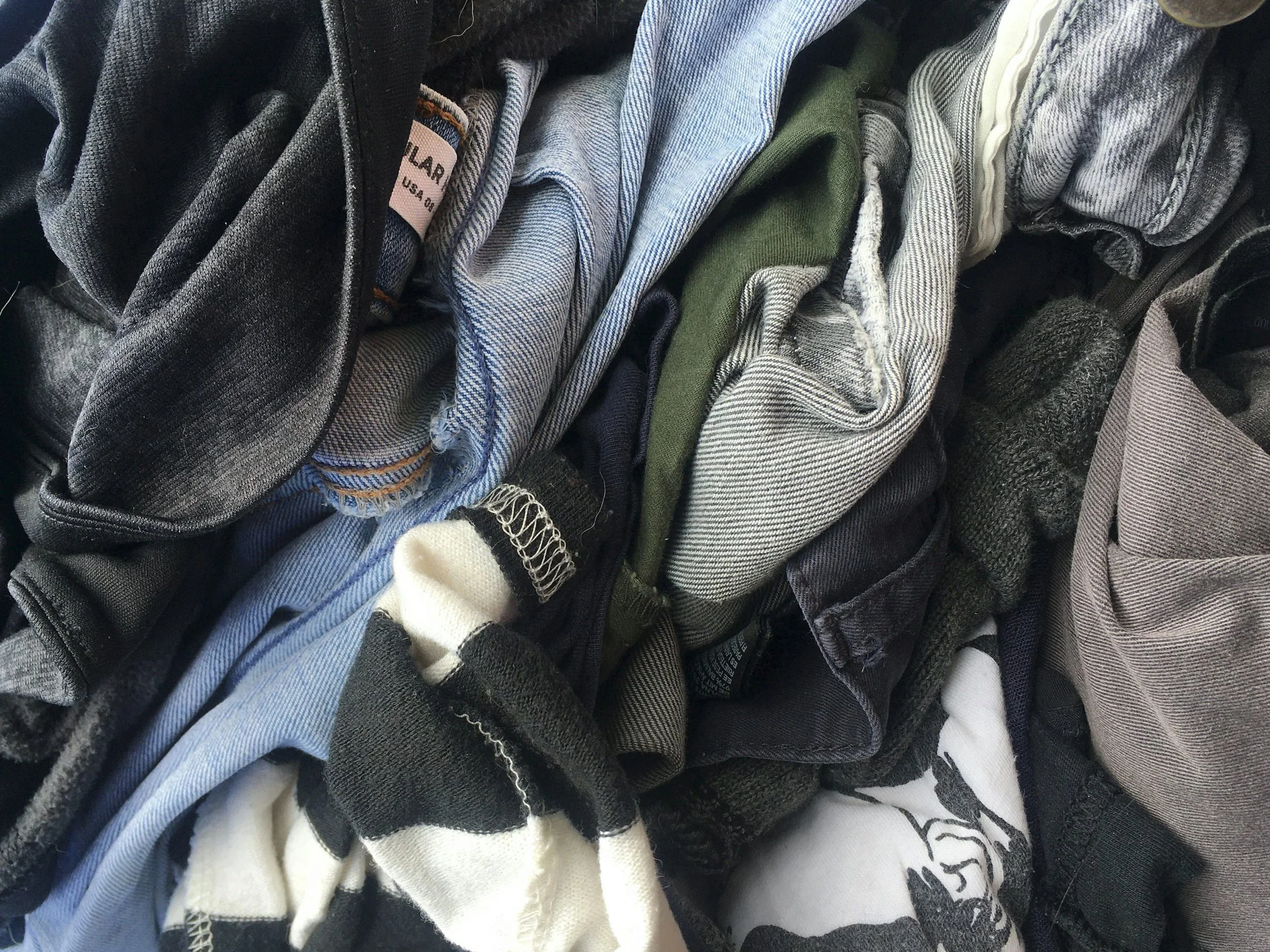
DNA can transfer to clothing whenever biological material such as skin cells, saliva, or bodily fluids come into contact with fabric. This transfer may occur through direct contact, secondary transfer, or the presence of bodily fluids. Once deposited, DNA may persist on clothing for varying amounts of time depending on environmental conditions and the type of material involved.
Direct DNA Transfer
The most common way DNA ends up on clothing is through direct contact.
Direct DNA transfer occurs when a person physically touches an item of clothing or when biological material directly contacts fabric.
Examples of direct transfer include:
skin cells left behind during physical contact
saliva transferred through kissing or speaking
bodily fluids deposited on clothing
sweat or other biological material transferred during close contact
During direct contact, cells from the body may become trapped in the fibers of the fabric, leaving behind DNA that can sometimes be detected during laboratory analysis.
Secondary DNA Transfer
DNA may also appear on clothing through secondary transfer.
Secondary transfer occurs when DNA is transferred from one person to an object through an intermediary surface or individual.
For example:
a person shakes hands with someone and later touches clothing
shared items such as bedding or towels transfer cells between individuals
DNA moves between items during handling or storage
Although secondary transfer can occur, the amount of DNA transferred in this way is often smaller than direct transfer.
Biological Fluids That May Leave DNA on Clothing
Clothing may contain DNA from several types of biological material.
Common examples include:
skin cells
saliva
semen
blood
sweat
These materials can contain DNA that may be extracted and analyzed by a laboratory if sufficient biological material is present.
In some cases, laboratories may first test clothing for the presence of a specific biological fluid before attempting DNA analysis.
For example, semen detection testing can determine whether semen is present on an item before DNA profiling is performed.
Learn more about semen detection testing here: Semen Detection Service.





Factors That Affect DNA Persistence on Clothing
Once DNA is deposited on clothing, several factors can influence how long it may remain detectable.
Fabric Type
Different fabrics can retain biological material differently.
Textured or rough fabrics may trap biological material more easily than smooth fabrics.
Environmental Exposure
Environmental conditions such as heat, moisture, sunlight, and bacterial activity can degrade DNA over time.
Items exposed to harsh environments may lose detectable DNA more quickly.
Washing and Cleaning
Washing clothing can reduce the amount of biological material present, but it may not always remove all traces of DNA.
In some situations, detectable DNA may remain after laundering.
Amount of Biological Material
The quantity of biological material deposited on clothing also plays a role.
Larger deposits of biological material may remain detectable longer than very small amounts.
How Laboratories Detect DNA on Clothing
When clothing is submitted for testing, laboratory scientists examine areas most likely to contain biological material.
The testing process may include:
visual examination of the item
screening for biological fluids
DNA extraction from collected material
DNA profiling and analysis
comparison to reference samples when available
Depending on the testing performed, laboratories may report whether DNA profiles were detected and whether those profiles match reference samples.
Presumptive vs Confirmatory Biological Fluid Tests
In forensic and laboratory testing, biological fluid detection methods may be categorized as presumptive tests or confirmatory tests.
Presumptive Tests
Presumptive tests are designed to indicate whether a particular biological fluid may be present. These tests can sometimes react with substances that produce similar chemical signals, so they are considered preliminary indicators.
Common presumptive tests may screen for substances associated with bodily fluids.
Confirmatory Tests
Confirmatory tests are designed to identify biological material with much greater specificity.
For example, some semen detection methods analyze the presence of the human-specific protein semenogelin, which is found in semen. Detecting this protein provides strong confirmation that semen is present on an item.
Confirmatory testing helps laboratories identify biological fluids with greater confidence.
Understanding DNA Evidence on Clothing
The presence of DNA on clothing can provide useful scientific information about biological material that may have come into contact with the item. However, interpreting DNA evidence often requires context.
DNA testing can determine whether biological material is present and may identify contributors to a DNA profile when comparison samples are available.
Understanding how DNA transfers to clothing and how it may persist over time helps explain how biological evidence can sometimes be detected during laboratory analysis.
Perfect. Here are the 3 high-authority sources formatted exactly the way you requested:
Cited References:
National Institute of Justice. DNA Evidence Basics
https://nij.ojp.gov/topics/articles/dna-evidence-basicsGoray, M., Eken, E., Mitchell, R.J., van Oorschot, R.A.H. Secondary DNA Transfer of Biological Substances Under Varying Test Conditions
https://pubmed.ncbi.nlm.nih.gov/19948333/The Royal Society. The Evaluation of Forensic DNA Evidence
https://royalsociety.org/topics-policy/projects/forensic-dna-analysis/
