
What Items Can Be Used for DNA Testing?
Quick Answer: What Items Can Be Used for DNA Testing?
DNA testing can often be performed using personal items that contain biological material such as skin cells, saliva, or bodily fluids. Common examples include toothbrushes, clothing, bedding, cigarette butts, and fingernail clippings. Some specialized samples require laboratory approval, and certain items may be refused if they pose safety risks.
What Are Non-Standard DNA Samples?
Most DNA tests are performed using cheek swabs, which provide a clean and reliable source of DNA. However, in many situations a direct sample from a person may not be available.
In these cases, laboratories may analyze non-standard samples. These are personal items that may contain biological material left behind through contact or bodily fluids.
Non-standard samples are frequently used for:
Infidelity DNA testing
Investigating biological evidence on clothing or bedding
Situations where an individual cannot provide a cheek swab
If you want to understand how these types of tests work, see:
https://validitygenetics.com/news/can-dna-prove-cheating



Common Items That Can Be Used for DNA Testing
Many everyday items may contain usable DNA. Some of the most commonly submitted samples include:
Toothbrushes
Cigarette butts
Chewing gum
Fingernail clippings
Ear swabs or cotton swabs
Razors
Drinking straws
Bottle caps
Clothing or undergarments
Bedsheets or towels
Tissues or napkins
These items may contain DNA from saliva, skin cells, or other biological material that laboratories can attempt to extract and analyze.
The success of testing depends on factors such as:
How recently the item was used
Whether the item was washed or exposed to heat
The amount of biological material present
Bodily Fluids That May Be Detected
Some items submitted for testing may contain biological fluids that can be identified through laboratory testing.
These may include:
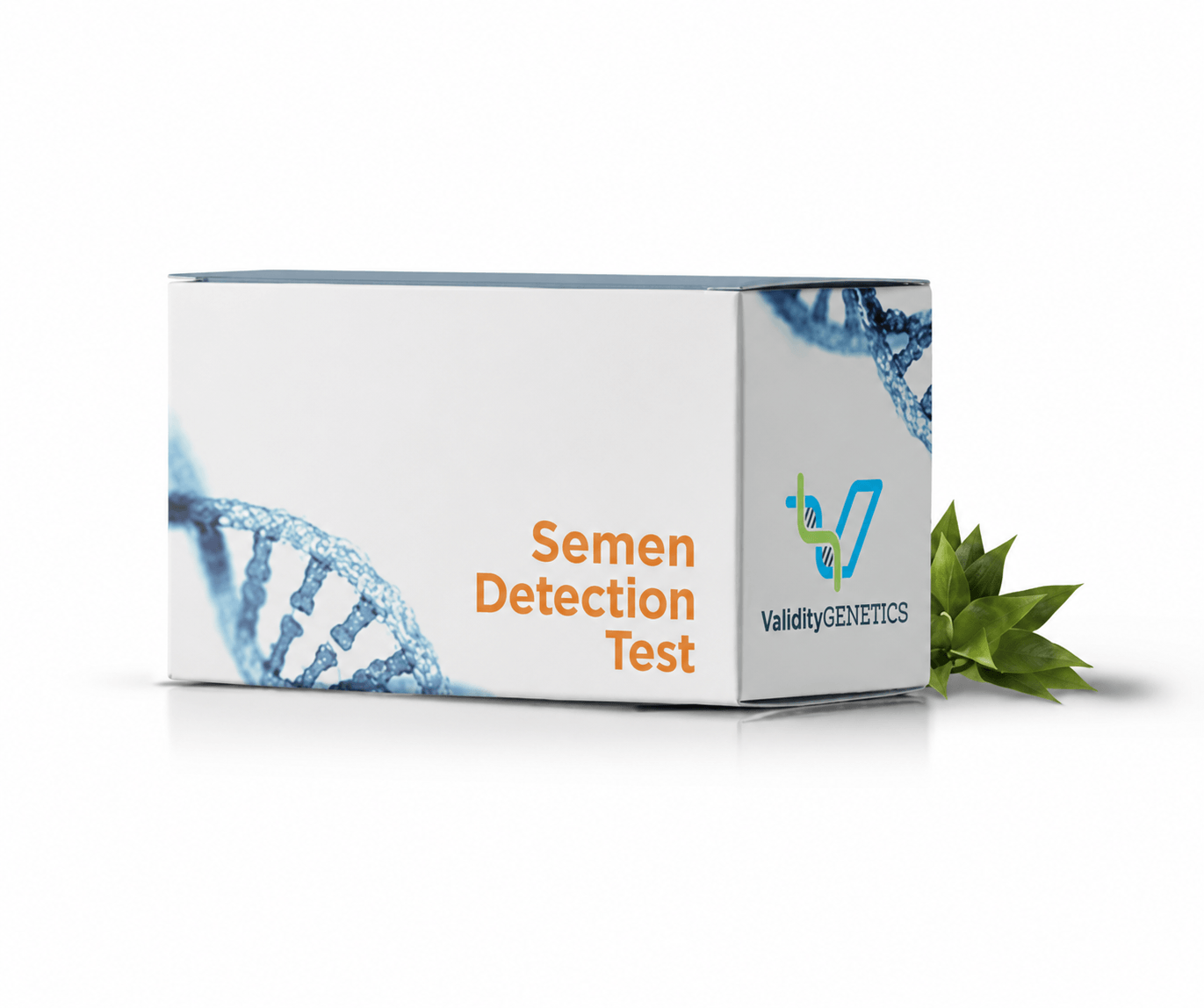
Semen
Saliva
Blood
Urine
Detecting these fluids can provide additional context about how biological evidence may have been deposited on an item.
Learn more about biological fluid detection here, Bodily Fluid Detection Testing Explained.
Samples That Require Prior Laboratory Approval
Certain types of samples require prior review by the laboratory before they can be accepted. These materials may require specialized handling or additional safety considerations.
Examples include:
Fecal matter or items containing fecal matter (such as diapers)
Teeth
Bone samples
Fetal demise samples
Paraffin-embedded tissue
Muscle tissue or organ tissue
Because these samples may involve unique testing procedures, it is important to contact the laboratory before submitting them.
Samples That Laboratories Do Not Accept
For safety reasons, some items cannot be accepted for testing.
Examples include:
Needles (used or unused)
Items containing sharp objects
Materials that may pose a biohazard during shipping or laboratory processing
Laboratories must follow strict safety guidelines to protect shipping personnel and laboratory staff.
For this reason, laboratories also reserve the right to refuse testing of any item that may be considered hazardous.





Why Some DNA Samples Fail
Even when an item appears suitable for testing, successful DNA analysis cannot always be guaranteed.
DNA may degrade due to:
Washing or cleaning
Exposure to sunlight or heat
Moisture
Age of the sample
Limited biological material
Understanding these limitations helps set realistic expectations for non-standard sample testing.
For more information about how long DNA may remain detectable on fabrics, see How Long Does DNA Stay On Clothing.
Frequently Asked Questions
Can you test DNA from clothing?
Yes. Clothing is one of the most commonly submitted items for non-standard DNA testing because it may contain skin cells, bodily fluids, or other biological material.
Can DNA be recovered from a toothbrush?
Often, yes. Toothbrushes can contain saliva and skin cells that may provide a usable DNA sample if the item has been used recently.
Are non-standard DNA samples always successful?
Not always. The success of testing depends on the amount and quality of biological material present on the item.
Should I contact the laboratory before sending unusual samples?
Yes. Some items require approval before submission to ensure they can be safely handled and tested.
Using DNA Evidence to Find Answers
DNA testing can provide valuable insight when biological evidence is discovered on personal items. By analyzing non-standard samples, laboratories may detect DNA profiles or biological fluids that help clarify how evidence may have been deposited on an item.
Understanding which items can be tested, which require approval, and which cannot be accepted helps ensure that samples are submitted properly and safely.
