
How Semen Detection Tests Work
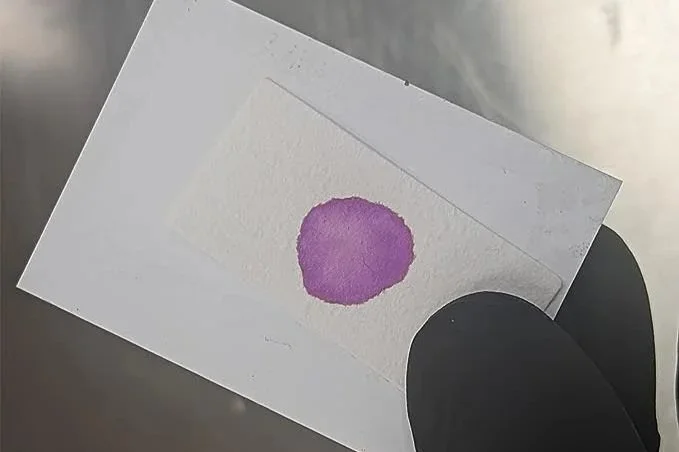
Quick Answer: How Do Semen Detection Tests Work?
Semen detection tests analyze evidence for biological markers associated with seminal fluid. Some tests act as preliminary screening methods, while confirmatory tests specifically identify human proteins found in semen. Confirmatory tests such as RSID semen detection tests identify the human protein semenogelin, which is highly specific to seminal fluid.
What Is a Semen Detection Test?
A semen detection test is used to determine whether seminal fluid may be present on a submitted item. These tests are commonly used when biological evidence is suspected on materials such as clothing, bedding, towels, or other fabrics.
Semen detection testing can help determine whether biological material associated with intimate contact may be present on an item.
These tests are often performed alongside DNA analysis when investigating biological evidence.
The Difference Between Presumptive and Confirmatory Tests
Semen detection tests generally fall into two categories:
Presumptive tests and confirmatory tests.
Understanding the difference between these types of tests is important because they provide different levels of scientific certainty.
Presumptive Semen Tests
Presumptive tests are designed as screening tools that suggest the possible presence of semen. These tests are often used as an initial step to identify areas of interest on an item.
Common presumptive tests include:
PSA (Prostate-Specific Antigen) tests
Acid Phosphatase (AP) tests
While these tests can indicate that semen may be present, they are not always specific to seminal fluid alone. Certain substances or biological materials may produce similar reactions.
For this reason, presumptive tests are typically used as preliminary screening methods rather than definitive confirmation.
Confirmatory Semen Tests
Confirmatory tests are designed to specifically identify biological markers that are unique to seminal fluid.
The semen detection test offered by Validity Genetics is a confirmatory RSID semen detection test.
This test identifies the human-specific protein semenogelin, which is found in seminal fluid.
Because semenogelin is highly specific to human semen, detecting this protein provides strong scientific confirmation that seminal fluid is present on the tested item.
This type of testing provides a higher level of specificity than many presumptive screening methods.







Why Confirmatory Testing Matters
Confirmatory testing provides greater confidence in the results because it targets a biological marker that is strongly associated with human semen.
Using confirmatory testing helps reduce the possibility of false indications that may occur with screening tests alone.
When biological evidence is suspected on clothing or bedding, confirmatory semen detection testing can provide important information about whether seminal fluid may be present.
Items Commonly Submitted for Semen Detection Testing
Semen detection tests are frequently performed on items that may contain biological evidence, including:
Underwear
Bedsheets
Towels
Clothing
Blankets
Tissues
These materials may retain biological evidence depending on how the item was handled and the environmental conditions it was exposed to.
For more information about items that may be tested, see What Items can be Used for DNA Testing.
Semen Detection and DNA Testing
In some cases, semen detection testing may be performed alongside DNA testing.
If semen is detected on an item, additional DNA analysis may be performed to determine whether a DNA profile can be obtained from the biological material present.
DNA profiles obtained from evidence may sometimes be compared to reference samples in order to determine whether a particular individual may be a contributor.
You can learn more about how DNA evidence is analyzed here, Can DNA Prove Cheating?.
How Long Semen May Remain Detectable
The detectability of semen on fabrics depends on several factors, including:
Washing
Environmental exposure
Fabric type
Time since deposition
Even when biological evidence is no longer visible, laboratory testing may sometimes still detect traces of seminal fluid.
More information about how long DNA and biological evidence may remain on fabrics can be found here, How Long Does DNA Stay on Clothing?.
Frequently Asked Questions
What is the difference between presumptive and confirmatory semen tests?
Presumptive tests are screening tools that indicate semen may be present. Confirmatory tests specifically identify biological markers unique to seminal fluid.
What does the RSID semen detection test identify?
The RSID semen test identifies the human-specific protein semenogelin, which is found in seminal fluid.
Can semen still be detected after washing clothing?
In some cases, biological evidence may still be detectable after washing depending on the fabric and environmental conditions.
Can semen detection testing be performed on older items?
Testing may still be possible, but biological evidence can degrade over time due to environmental factors.
Using DNA Evidence to Find Answers
Biological evidence testing can provide valuable information when investigating stains or biological material found on personal items. Confirmatory semen detection testing allows laboratories to identify markers that are highly specific to seminal fluid, providing greater confidence when determining whether semen may be present on a tested item.
Understanding how semen detection tests work helps individuals interpret results and better understand the role of biological evidence in DNA testing.
