
Can Saliva Be Detected on Clothing?
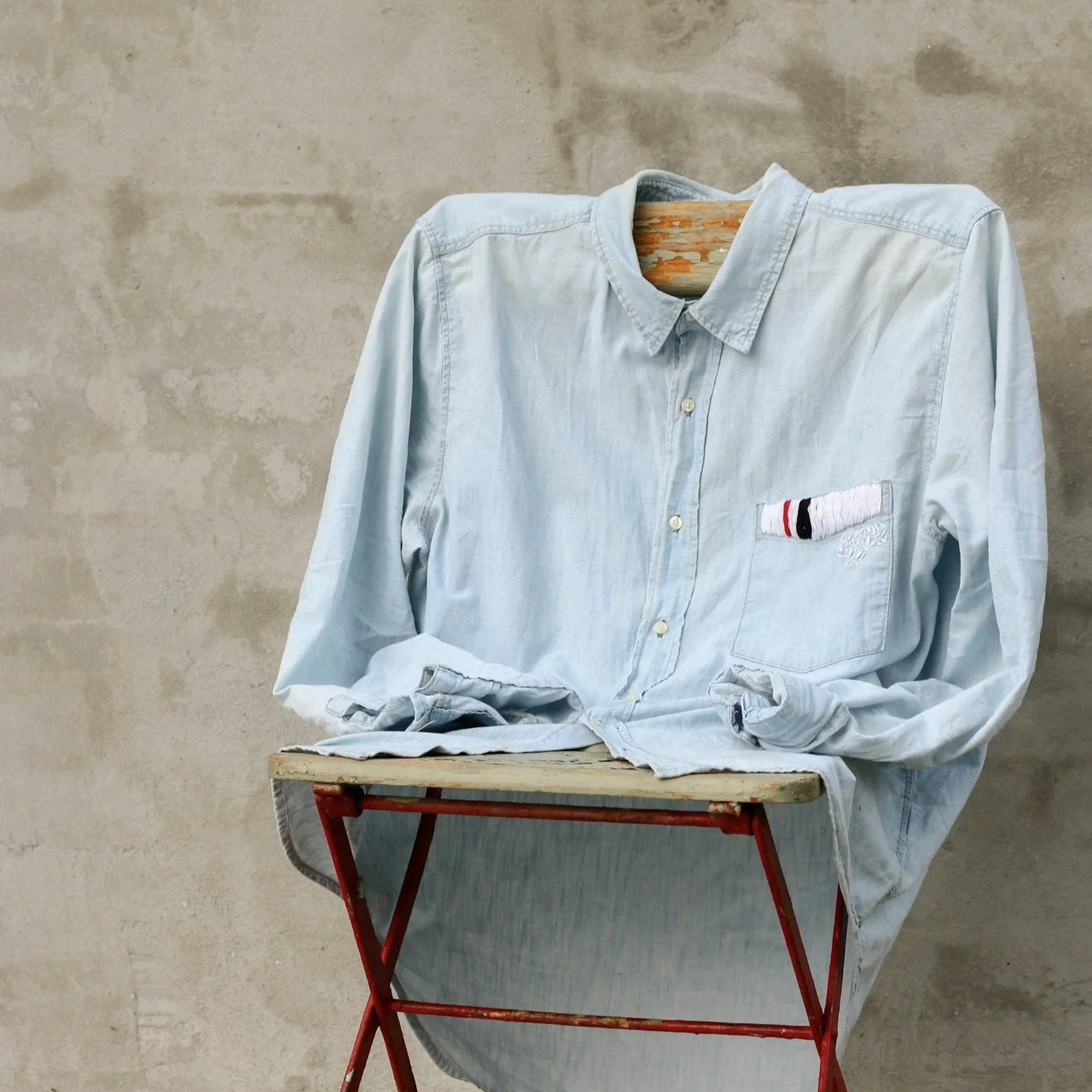
Quick Answer: Can Saliva Be Detected on Clothing?
Yes, saliva can sometimes be detected on clothing if sufficient biological material is present. Modern confirmatory saliva detection tests, such as RSID Saliva, use immunological detection of the human-specific protein alpha-amylase to help confirm the presence of saliva on an item.
In This Article
Can saliva be detected on clothing?
Does saliva contain DNA?
Can saliva survive washing?
How does saliva detection testing work?
What is the difference between saliva detection and DNA testing?
This is not a physical product. This is a service.
We do NOT ship anything to you for this test.
You must ship your items/samples to our laboratory.
How Does Saliva Get on Clothing?
Saliva can be transferred to clothing in a variety of ways.
Examples include:
kissing or close personal contact
speaking, coughing, or sneezing
contact with the mouth
contact with items that contain saliva
When saliva comes into contact with fabric, biological material may become trapped within the fibers of the clothing.
Does Saliva Contain DNA?
Yes.
Saliva contains cells from the inside of the mouth, and these cells contain DNA. Because of this, saliva evidence may sometimes provide two different types of information:
confirmation that saliva is present
DNA that may be analyzed if sufficient biological material is available
In some cases, laboratories may first perform saliva detection testing before attempting DNA analysis.
The ability to obtain a DNA profile depends on the quantity and quality of the biological material present.
What Factors Affect Saliva Detection?
Several factors influence whether saliva may still be detectable on an item.
Amount of Saliva Present
Larger deposits of saliva are generally easier to detect than very small amounts.
Type of Fabric
Different fabrics retain biological material differently.
Textured materials may hold biological material more effectively than smooth fabrics.
Environmental Exposure
Exposure to:
heat
moisture
sunlight
bacteria
can cause biological material to degrade over time.
Washing and Cleaning
Washing may reduce or remove biological material from clothing.
However, depending on the circumstances, biological material may sometimes remain detectable after laundering.
Can Saliva Be Found After Clothing Has Been Washed?
The answer depends on several factors, including:
the amount of saliva originally present
the washing method used
the condition of the fabric
While washing may reduce biological material, it does not necessarily eliminate every trace.
Because each item is different, laboratory testing is often needed to determine whether detectable biological material remains.
Confirmatory vs Presumptive Saliva Testing
Not all saliva tests work the same way.
Some testing methods are considered presumptive tests, meaning they indicate that saliva may be present but cannot definitively confirm it.
Confirmatory tests are designed to identify saliva with greater specificity.
For example, RSID Saliva testing detects alpha-amylase, a protein commonly found in human saliva. Detecting this protein helps confirm the presence of saliva on an item.
Understanding the difference between presumptive and confirmatory testing can help individuals better understand what their results mean.
Saliva Detection vs DNA Testing
Although these tests are often discussed together, they serve different purposes.
Saliva Detection Testing
Saliva detection testing is designed to determine whether saliva is present on an item.
For example, the RSID Saliva test uses immunological detection of the human-specific protein alpha-amylase to help confirm the presence of saliva.
Because this is a confirmatory test, it is designed to identify saliva with greater specificity than many presumptive screening methods.
DNA Testing
DNA testing focuses on analyzing genetic material recovered from biological evidence.
If sufficient DNA is recovered from a sample, scientists may be able to create a DNA profile and compare it to known reference samples.
Learn more about DNA comparison testing here: How DNA Comparison Testing Works
Can Saliva Prove Who Was in Contact With an Item?
Not necessarily.
Finding saliva on an item may indicate that biological material was deposited on the clothing, but interpretation requires context.
Additional testing may be necessary to determine whether a DNA profile can be recovered and compared to a known individual.
What Types of Clothing May Be Tested?
Many different types of clothing may be submitted for testing, including:
shirts
jackets
dresses
undergarments
other fabric items
The success of testing depends on the condition of the item and the biological material present.
Understanding Saliva Evidence on Clothing
Saliva can sometimes be detected on clothing when sufficient biological material remains on the fabric. Factors such as fabric type, environmental exposure, and cleaning methods can all influence whether saliva remains detectable.
Understanding how saliva transfers to clothing and how it may persist over time helps explain what testing may be able to reveal about biological evidence found on an item.
Related Services
Related Articles
https://validitygenetics.com/news/how-dna-gets-on-clothing
https://validitygenetics.com/news/how-dna-comparison-testing-works
https://validitygenetics.com/news/what-happens-if-multiple-dna-profiles-are-found
https://validitygenetics.com/news/how-accurate-are-infidelity-dna-tests
https://validitygenetics.com/news/how-saliva-detection-testing-works
Cited References:
National Institute of Justice. DNA Evidence Basics
https://nij.ojp.gov/topics/articles/dna-evidence-basicsCenters for Disease Control and Prevention. About Genetics
https://www.cdc.gov/genomics/about/index.htmInternational Society for Forensic Genetics (ISFG)
https://www.isfg.org

This is not a physical product. This is a service.
We do NOT ship anything to you for this test.
You must ship your items/samples to our laboratory.