

DNA on Clothing & Other Surfaces?
DNA testing plays a crucial role in forensic and relationship testing, but how long does DNA actually last on clothing, fabrics, and other materials? Whether you’re considering an infidelity DNA test or a forensic DNA test, understanding DNA degradation and the best ways to preserve evidence can help ensure accurate results.
Quick Answer
DNA can remain detectable on clothing for weeks, months, or even years depending on the type of biological material present and how the item has been stored.
Factors such as heat, moisture, sunlight, washing, and the type of fabric can all affect DNA preservation. In some cases, DNA may still be recoverable even after laundering, although the likelihood decreases significantly after repeated washing or exposure to harsh detergents.
How Long Can DNA Be Detected on Clothing?
The lifespan of DNA on clothing depends on several factors, including exposure to heat, moisture, and cleaning agents. In controlled environments, DNA can remain intact for months or even years. However, real-world conditions can cause DNA to break down over time.
Dry, stored clothing – DNA can last for years if the fabric is kept in a cool, dry place.
Clothing exposed to heat, humidity, or sunlight – DNA degrades faster, potentially within weeks to months.
Washed clothing – Washing with detergent and hot water may remove or degrade DNA, but some traces may still be detectable, depending on the testing method.
What Type of DNA Is Most Likely to Remain on Clothing?
Different biological materials contain different amounts of DNA.
Generally speaking:
Blood
Blood often contains the highest quantity of recoverable DNA and may remain detectable for extended periods when properly stored.
Saliva
Saliva may remain detectable for extended periods when protected from moisture and excessive heat.
Semen
Semen may contain both DNA and semen-specific proteins that can sometimes remain detectable even after laundering.
Touch DNA
Touch DNA from skin cells may be more vulnerable to degradation because smaller amounts are typically present.
The type of biological material present often has a significant impact on whether DNA can still be recovered from an item.
What Factors Affect DNA Longevity on Fabrics?
DNA is relatively stable under the right conditions, but several factors can impact its lifespan:
Moisture & Humidity: Damp environments encourage bacterial growth, which can degrade DNA more quickly.
Heat & Sunlight: UV rays and extreme heat can break down DNA at a molecular level.
Fabric Type: DNA binds better to natural fibers like cotton or wool compared to synthetic materials.
Time Since Deposition: The sooner a sample is collected, the higher the chance of retrieving viable DNA.
Exposure to Detergents & Bleach: Strong cleaning agents can break down DNA, making detection more difficult.
If you need to test an item for DNA, storing it properly and submitting it for testing as soon as possible improves the likelihood of a successful analysis.
Can DNA Be Found on Washed Clothing?
Many people assume that once clothing is washed, any DNA evidence is completely removed. While washing reduces the chances of recovering DNA, it does not guarantee complete removal:
Mild or Cold Washes: Some DNA may survive after light washing, particularly in hidden fabric layers.
Hot Water & Bleach: High temperatures and strong chemicals increase DNA degradation.
Drying Methods: Heat from dryers and ironing can further break down remaining DNA traces.
If you suspect infidelity or need forensic DNA testing, it’s best to collect clothing before it has been washed to maximize detection accuracy.
Best Practices for Preserving DNA on Clothing
To ensure the highest quality DNA sample for testing, follow these steps:
Minimize Handling – Avoid touching the area of interest directly to prevent contamination.
Air-Dry the Fabric – If the clothing is damp, allow it to dry completely before storage.
Use a Paper Envelope – Avoid plastic bags, as they trap moisture and encourage bacterial growth.
Store in a Cool, Dry Place – Keep samples away from heat, direct sunlight, and excessive humidity.
Submit the Sample as Soon as Possible – The faster the sample is tested, the better the chance of retrieving viable DNA.
Choosing the Right DNA Test for Clothing Samples
If you need to determine whether DNA is present on clothing or other surfaces, consider these testing options:
Semen Detection Test – Identifies the presence of semen on fabrics.
Saliva Detection Test – Confirms traces of saliva on personal items.
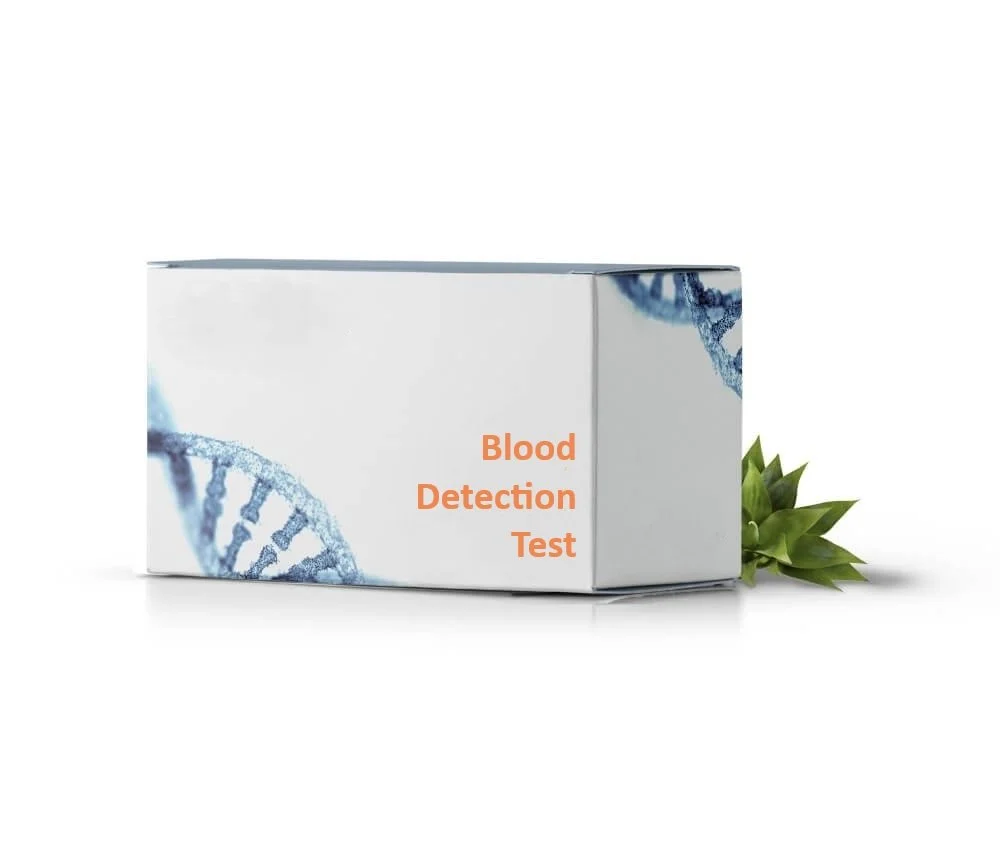
Blood Detection Test - Confirms traces of blood on fabrics or items
Advanced DNA Comparison Test – Determines if DNA on an item matches a specific individual.
Forensic DNA Test – Used for relationship DNA testing or infidelity investigations.
At Validity Genetics, we offer discreet, accurate, and scientifically validated DNA testing for a variety of needs.




Frequently Asked Questions
Can DNA Survive for Years on Clothing?
Yes. Under cool, dry storage conditions, DNA may remain detectable for years.
Does Washing Always Remove DNA?
No. Washing can reduce or degrade biological material, but it does not always eliminate every trace of DNA.
What Type of Fabric Preserves DNA Best?
Natural fibers such as cotton and wool often retain biological material more effectively than some synthetic fabrics.
Can DNA Still Be Recovered After Drying?
Yes. Many biological stains remain suitable for testing after drying if properly preserved.
What Is the Best Way to Store Clothing for DNA Testing?
Store clothing dry, in paper packaging, away from heat, moisture, and direct sunlight.
Understanding DNA Longevity on Clothing
DNA can last on clothing for weeks, months, or even years, depending on storage conditions and exposure to degrading factors like heat, moisture, and detergents. Whether you need infidelity DNA testing or forensic DNA analysis, handling and storing samples properly increases the chance of obtaining clear results.
At Validity Genetics, we provide expert DNA testing services to help you get the answers you need. Contact us today to learn more about preserving and testing DNA evidence.
Related Services
Related Articles
Does Semen Stay on Fabric After Washing
https://validitygenetics.com/news/does-semen-stay-on-fabric-after-washing
How DNA Gets on Clothing
https://validitygenetics.com/news/how-dna-gets-on-clothing
How Long Do DNA Samples Last?
https://validitygenetics.com/news/how-long-do-dna-samples-last
How Accurate are Infidelity DNA Tests
https://validitygenetics.com/news/how-accurate-are-infidelity-dna-tests
Cited References:
National Institute of Justice. DNA Evidence Basics
https://nij.ojp.gov/topics/articles/dna-evidence-basics
National Human Genome Research Institute. DNA and Genetic Testing
https://www.genome.gov
American Academy of Forensic Sciences (AAFS)
https://www.aafs.org
